

Why More Adults Are Choosing Dental Implants Over Other Tooth Replacement Options
Tooth loss affects millions of adults worldwide. Whether caused by decay, gum disease, injury, or simply the passage of time, losing a tooth — or several — is more common than most people realise. What has changed significantly in recent years is how people choose to replace them.
For decades, dentures and bridges were the default solutions. Today, dental implants have emerged as the preferred choice for a growing number of adults, and it’s not hard to understand why. Once considered a premium option accessible only to a fortunate few, implants have become more widely available, more affordable, and more refined than ever before.
So what’s driving this shift? Here’s a comprehensive look at why dental implants are winning the comparison against other tooth replacement options.
What Are Dental Implants?
Before exploring the benefits, it helps to understand exactly what a dental implant is.
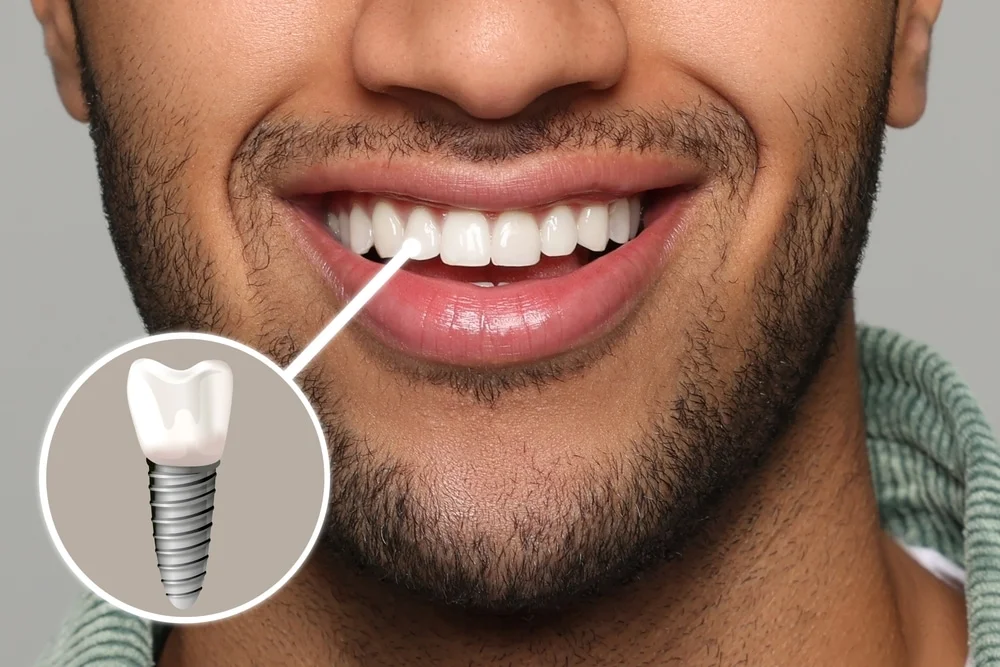
A dental implant is a small titanium post that is surgically placed into the jawbone to act as an artificial tooth root. Once the implant integrates with the bone — a process called osseointegration that typically takes three to six months — a custom-made crown is attached on top, creating a replacement tooth that looks, feels, and functions almost identically to a natural one.
The result is a permanent, stable tooth replacement that is anchored directly in the jaw, rather than sitting on top of the gum or relying on adjacent teeth for support.
The Alternatives: A Brief Overview
To understand why implants are gaining ground, it helps to know what they’re being compared against.
Dentures are removable appliances — full or partial — that sit on the gums and replace missing teeth. They are generally the most affordable option upfront and can be fitted relatively quickly, but they come with well-documented limitations.
Dental bridges are fixed restorations that fill a gap by anchoring to the natural teeth on either side, which must be filed down to support the bridge. They are more stable than dentures but involve permanently altering healthy teeth and don’t address bone loss in the jaw.
Implants address the limitations of both — but come at a higher initial cost and require a surgical procedure.
1. They Look and Feel Like Natural Teeth
Ask anyone who has made the switch to implants and this is usually the first thing they mention. A well-placed implant with a quality crown is virtually indistinguishable from a natural tooth — in appearance, in feel, and in function.
Dentures, even well-fitted ones, can look artificial. They sit differently in the mouth, they move when you speak or eat, and experienced observers can often spot them. Implants carry none of these giveaways. They are integrated into your mouth as a permanent fixture, not an appliance you wear.
For many adults — particularly those who lost teeth relatively young — this naturalness is the single most important factor in their decision.
2. They Function Just Like Real Teeth
One of the most significant practical advantages of dental implants is that they restore full chewing function. Because they are anchored in the jawbone, implants can withstand the same biting forces as natural teeth.
Denture wearers, by contrast, typically experience a significant reduction in chewing efficiency — studies suggest as much as 50 to 70 percent compared to natural teeth. This limits diet choices, affects digestion, and for many people has a meaningful impact on quality of life. Hard foods, crunchy foods, and chewy foods that most people take for granted can become genuinely difficult or even impossible to eat comfortably with dentures.
Bridges restore chewing function better than dentures, but the replacement teeth are not always as strong or as comfortable as a natural tooth or an implant.
3. They Preserve the Jawbone
This is perhaps the most clinically significant advantage of implants over other options — and the one that is least widely understood by patients.
When a tooth is lost, the jawbone beneath it begins to resorb. Without the stimulation provided by a tooth root, the bone gradually shrinks. This process begins quickly — bone loss can start within the first year after tooth loss — and continues over time, affecting the shape of the face, the fit of dentures, and the health of surrounding teeth.
A dental implant is the only tooth replacement option that directly addresses this problem. By replacing the tooth root as well as the crown, an implant provides the mechanical stimulation the jawbone needs to maintain its density and structure.
Dentures and bridges replace the visible tooth but do nothing to prevent the bone loss occurring beneath. This is why long-term denture wearers often develop a sunken facial appearance — the underlying bone has gradually diminished.
4. They Don’t Damage Adjacent Teeth
A traditional dental bridge requires the two teeth on either side of the gap to be ground down and crowned in order to support the bridge. These are often perfectly healthy teeth, and this process is irreversible — once the enamel is removed, it cannot grow back.
Implants require no such compromise. The implant stands entirely independently, integrated into the jawbone, without involving or affecting the teeth on either side. For many patients, this preservation of healthy tooth structure is a compelling reason to choose implants over a bridge.
5. They Are a Long-Term Investment
The upfront cost of dental implants is higher than dentures or bridges, and this is a genuine consideration. However, when viewed over a lifetime, implants frequently represent the better financial decision.
A dental bridge typically lasts 10 to 15 years before needing replacement. Dentures require regular adjustments, relining, and eventual replacement as the shape of the jaw changes — costs that add up significantly over decades.
Dental implants, with proper care, can last a lifetime. The titanium post, once integrated with the bone, is exceptionally durable. The crown may need replacing after 15 to 20 years, but the implant itself can remain permanently in place.
When the total cost of ownership over 20 or 30 years is considered, implants often prove comparable to — or even less expensive than — the repeated costs associated with dentures and bridges.
6. They Require No Special Maintenance
One of the most appealing practical aspects of dental implants is how straightforward they are to care for. Unlike dentures, which must be removed for cleaning, soaked overnight, and treated with specialist products, implants are maintained exactly like natural teeth — regular brushing, flossing, and routine dental check-ups.
There are no adhesives, no soaking solutions, no removal at bedtime. For adults who find denture maintenance cumbersome, inconvenient, or simply undignified, this simplicity is a genuine quality-of-life improvement.
7. They Support Confidence and Wellbeing
The psychological impact of tooth loss — and tooth replacement — is often underestimated in clinical discussions but is extremely significant to patients.
Dentures, particularly poorly fitting ones, can cause considerable anxiety. Concerns about them slipping or falling out when speaking, laughing, or eating can lead people to restrict their social activity, avoid certain foods, and speak less freely. The effect on confidence and quality of life can be profound.
Implants eliminate these concerns entirely. Because they are fixed permanently in place, there is no movement, no slippage, and no need for the constant background vigilance that many denture wearers describe. Patients consistently report significant improvements in confidence, social engagement, and overall wellbeing following implant treatment.
8. Advances in Technology Have Made Them More Accessible
Dental implant technology has advanced considerably over the past two decades. Digital scanning, computer-guided surgical planning, and improvements in implant design and materials have made the procedure more precise, more predictable, and more comfortable than ever before.
At the same time, the growing number of trained implant dentists and the increasing availability of implant treatment across dental practices has helped bring costs down. Financing options are now widely available, making it possible for patients to spread the cost over time and access implant treatment without paying the full amount upfront.
For many adults who previously assumed implants were beyond their reach, these developments have changed the calculation significantly.
9. High Success Rates and Predictable Outcomes
Dental implants have one of the highest success rates of any elective dental procedure. Studies consistently report success rates of 95 percent or higher over a ten-year period, rising to over 90 percent over twenty years with good oral hygiene and routine care.
The predictability of modern implant treatment — supported by thorough pre-operative planning, digital imaging, and refined surgical technique — means that for suitable candidates, the outcome is highly reliable. This gives patients confidence that their investment will deliver the result they’re hoping for.
Who Is a Good Candidate for Dental Implants?
Dental implants are not suitable for everyone, and a thorough assessment by a qualified dental professional is essential before proceeding. Ideal candidates typically:
- Are in good general health
- Have healthy gums with no active periodontal disease
- Have sufficient jawbone density to support the implant — or are willing to consider bone grafting where needed
- Do not smoke, or are willing to quit — smoking significantly increases the risk of implant failure
- Are committed to good ongoing oral hygiene
Age is generally not a barrier for adults — implants can be placed in patients well into their seventies and eighties, provided overall health permits. The one exception is younger patients whose jawbone has not yet finished developing, typically those under 18.
The Implant Process: What to Expect
Many people are deterred by what they imagine the implant process involves. In reality, for most patients, it is more straightforward than expected.
The process typically involves:
- Initial consultation and assessment — including X-rays or a 3D scan to assess bone density and plan treatment
- Implant placement — a minor surgical procedure usually performed under local anaesthetic, often taking less than an hour per implant
- Healing period — typically three to six months while the implant integrates with the bone
- Crown placement — once integration is confirmed, the custom crown is fitted
Most patients report that the procedure itself is far less uncomfortable than they anticipated, and that any post-operative discomfort is manageable with standard pain relief.
Final Thoughts
The growing popularity of dental implants among adults is not a trend driven by marketing — it’s driven by results. For patients who want a tooth replacement that looks natural, functions fully, protects the jawbone, and lasts a lifetime, implants offer something that dentures and bridges simply cannot match.
The higher upfront cost remains a genuine consideration, and implants are not right for every patient or every situation. But for those who are suitable candidates and can make the investment, dental implants represent the closest thing modern dentistry has to a permanent, natural tooth — and that, for a growing number of adults, makes the decision straightforward.
If you’re considering tooth replacement options, speaking with an experienced implant dentist is the best first step. A thorough consultation will clarify whether implants are right for you and give you a clear picture of what treatment would involve.